If you live in western Washington, you know the gray stretch that lingers well past what most places call spring. People joke about “Junuary” for a reason, and by the time the sun actually shows up, everyone is outside making up for lost time.

Cookouts, hikes, boat days on the sound, all crammed into a few good months. It is also, without anyone planning it that way, a natural check-in point for the year.

A hearing checkup is easy to put off when the weather finally cooperates and your calendar fills up fast. But the middle of the year is actually a good time to get one in before things get busier with fall.

Hearing changes slowly, so a checkup now can catch something before it becomes harder to ignore. It also means you are not stuck squeezing it in around holiday plans later. Getting checked while the sun is out is as good a reason as any.

Signs Your Hearing May Have Changed

Hearing changes are not always easy to recognize right away. You may still hear that someone is talking but miss enough words that the sentence no longer makes sense. In other situations, certain voices or sounds may seem less distinct than they used to.

You may notice:

  • Conversations are harder to follow when several people are talking
  • You hear speech but have trouble making out the words
  • Birds, timers or turn signals are easier to miss
  • You need the television louder than other people prefer
  • You feel worn out after listening in a busy place

Why It Helps to Check Your Hearing Early

When hearing changes are found early, there is usually more time to make small adjustments. That may mean changing a few listening habits, treating an earwax problem or talking about hearing aids before conversations become exhausting.

Waiting can make daily communication harder than it needs to be. You may start missing parts of meetings, avoiding noisy restaurants or relying on other people to fill in what you did not hear.

A hearing check gives you a better sense of what has changed and what can help. It also makes it easier to compare your hearing later instead of trying to remember when things first started sounding different.

How Hearing Changes Affect Daily Conversations

When hearing changes go unnoticed, keeping up with everyday conversations becomes much harder. You might find yourself missing key words or asking people to repeat themselves during dinner. This strain can make social gatherings feel exhausting instead of fun. Setting new communication habits helps you stay connected to your family and friends.

Family members can make a few simple adjustments to support these conversational goals:

  • Face the person directly and make eye contact before speaking.
  • Turn down the television or move away from noisy kitchen appliances.
  • Speak at a normal pace without shouting or over-enunciating words.
  • Rephrase sentences rather than just repeating the same words louder.

Why Mid-Year Is a Good Time for a Hearing Check

Summer puts your hearing to work in ways the rest of the year may not. A crowded ferry ride, a backyard gathering near the Sound or a day out on the trail can all make it harder to follow what people are saying. Those situations often reveal changes you may not notice at home.

A mid-year appointment gives you a chance to talk through what has been harder lately. Your audiologist can check your hearing, look at how your devices are performing and make adjustments for the places you are spending time now.

It also gives you time to deal with any concerns before fall schedules fill up and the holiday season begins. Instead of carrying the same frustrations into the busiest part of the year, you can address them while there is still plenty of time to make changes.

Making Sure Your Hearing Aids Still Work for You

A mid-year visit is a good time to check more than the hearing aids themselves. It gives you a chance to talk about how they feel, where they are helping and where they are falling short.

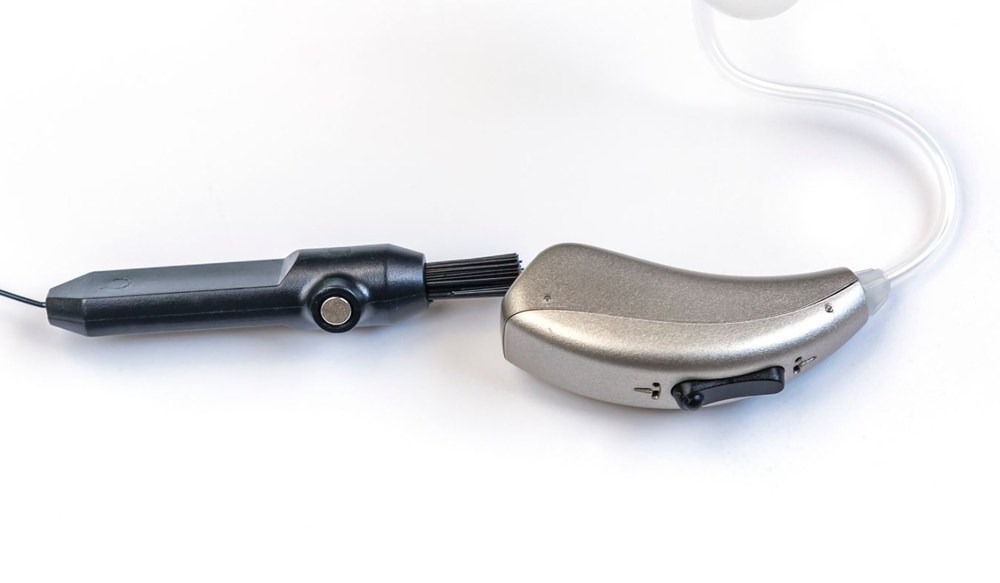
You may have noticed that one device feels loose, certain sounds seem too sharp or conversations are harder in places that used to feel manageable. Your audiologist can check the fit, clean the devices, look for wear and adjust the settings based on what you have been hearing lately.

Before your appointment, think about:

  • Whether your hearing aids feel comfortable throughout the day
  • Any whistling, feedback or changes in sound quality
  • Places where speech has become harder to follow
  • Problems connecting to your phone, television or other technology
  • Any ringing, pressure, pain or balance concerns

Routine Habits That Can Affect Your Hearing

Your hearing is affected by more than the occasional concert or loud afternoon with power tools. Repeated noise adds up, especially when your ears do not get much time away from it. Headphones, lawn equipment, machinery and crowded events can all be part of that picture.

Simple choices can lower the strain. Wear hearing protection around loud tools or machinery, keep headphone volume at a reasonable level and move farther away from speakers when possible.

Your general health also plays a part. Regular exercise, routine medical care and healthy circulation all support the parts of the ear that process sound. Smoking can work against that by affecting blood flow throughout the body.

Protecting your hearing does not have to become another complicated routine. It is mostly about noticing where the louder parts of your day are and making a few practical changes around them.

Why Family History is Worth Mentioning

Hearing loss can run in families. If a parent, sibling or grandparent developed hearing problems, especially at a younger age, it is worth telling your audiologist.

That does not mean the same thing will happen to you. It simply gives your audiologist another piece of information to consider when reviewing your hearing and comparing future test results.

A baseline hearing test can be especially helpful when hearing loss is common in your family. It gives you something concrete to compare against later, even if your hearing feels fine right now.

What to Expect During a Mid-Year Hearing Checkup

Your appointment will usually begin with a conversation about how you have been hearing since your last visit. Your audiologist may ask if certain voices sound less clear, if noisy places have become harder or if you have noticed ringing, pressure or changes in balance. They may also review your medications and any recent changes in your health.

Next, your audiologist will look inside your ears to check for earwax or anything else that could affect the test. You will then listen to a series of tones and respond when you hear them. Some sounds will be louder and easier to hear, while others will be very soft.

The results can be compared with your previous test to see if anything has changed. Before you leave, you will go over the results together and have time to ask questions. Most visits take less than an hour, though the exact timing depends on what needs to be checked.

Preparing for Your Mid-Year Hearing Checkup

A little preparation can make the appointment more useful. Before you come in, write down anything that has changed since your last visit. That could include trouble following certain voices, more difficulty in noisy places or problems with your hearing aids.

Bring your hearing aids, charger, batteries and any accessories you use. It also helps to have an updated list of medications and supplements, along with your insurance card and any paperwork the office requested.

Before you leave, make sure you understand your results and any changes made to your devices. Ask how new settings may sound, what to watch for and when to follow up. If something still feels off after a few days, contact the office rather than trying to work around it.

Keeping Your Hearing Health on Track All Year

The sun will not stick around forever, and neither will the extra time most people have for appointments once fall schedules kick back in. Getting a hearing checkup now means one less thing to squeeze in later.

It also means catching any changes early, while you still have time to do something about it. Harbor Audiology & Hearing Services in western Washington can get you in while the good weather lasts. Give us a call at (253) 550-2594 to set up a time.

A quick visit now beats trying to find room for it once the rain comes back.

section divider swoosh top gray footer